
1. Innovation in Personal Safety
The company Pebblebee has launched “Alert,” an SOS feature integrated into its Bluetooth tracker “Clip,” which allows users to activate a siren, strobe lights, and send text alerts to trusted contacts with multiple presses. The company also offers “Alert Live,” a subscription service that enables live and silent tracking for emergencies. In addition, its devices use recycled materials, a rechargeable battery, and do not access users’ personal data.
2. Privacy as a Priority
With the incorporation of the DULT (Detection of Unwanted Location Trackers) specification, users now receive alerts if an unknown tracker is accompanying them. This safety measure is being driven by Google in its new Find Hub service, the latest version of Find My Device, which already integrates collaborative networks to locate devices even when offline.
3. Regulatory Conflicts and Growing Concerns
As solutions advance, legal tensions emerge. In the U.S., a lawsuit is underway to determine whether Google violated users’ privacy by collecting data from mobile applications. Meanwhile, Meta faces criticism over its new Instagram Map feature, which allows real-time location sharing—raising particular concerns for child safety. Several U.S. state attorneys general are demanding that Meta disable this feature for minors and provide better user education.
Perspectives and Implications
| Perspective | Key Implications |
|---|---|
| Social | Enhanced personal safety, especially in high-risk contexts, but raises concerns about potential abuse or invasive surveillance. |
| Technical | Advances such as DULT and collaborative networks (Find Hub) mark significant progress in balancing usability and privacy. |
| Legal/Regulatory | Lawsuits against major companies like Google and Meta show that location data collection and usage are under increasing scrutiny. Stricter regulations may follow. |
| Future | Standardized APIs and protocols could emerge, requiring transparency and user control over location data, balancing innovation with protection. |
Conclusion
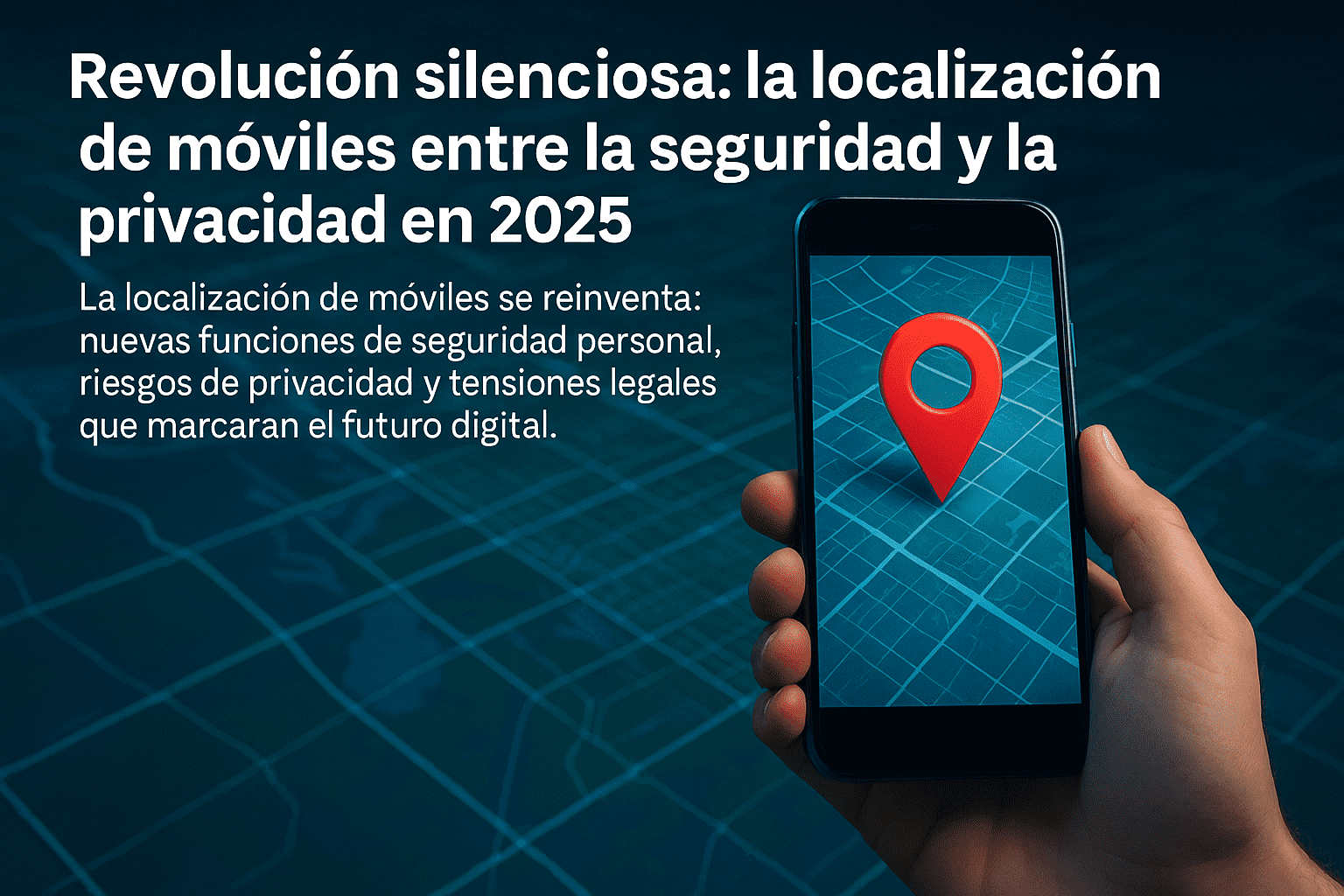
Mobile location technology is entering a stage of evolution where personal safety and privacy coexist—albeit tensely. Companies that prioritize user protection may lead the market, while developers will need to anticipate stricter regulatory frameworks. In this context, collaboration among technologists, lawmakers, and civil society will be crucial to guide innovation in a safe and sustainable direction.